



How Does the Video Pipe Inspection Process Work?
The video pipe inspection process gives contractors, property owners, and municipalities a clear, affordable way to see what’s happening inside underground pipes without excavation. Instead of guessing where a blockage or defect might be, video inspection delivers real-time visual confirmation of pipe conditions, helping you make faster, more confident decisions.
At Superior Hydrovac, video pipe inspection is performed with advanced robotic CCTV camera systems designed to travel deep into sewers and storm drains. We provide accurate footage, precise locations of problems, and detailed reporting you can rely on.
The Video Pipe Inspection Process
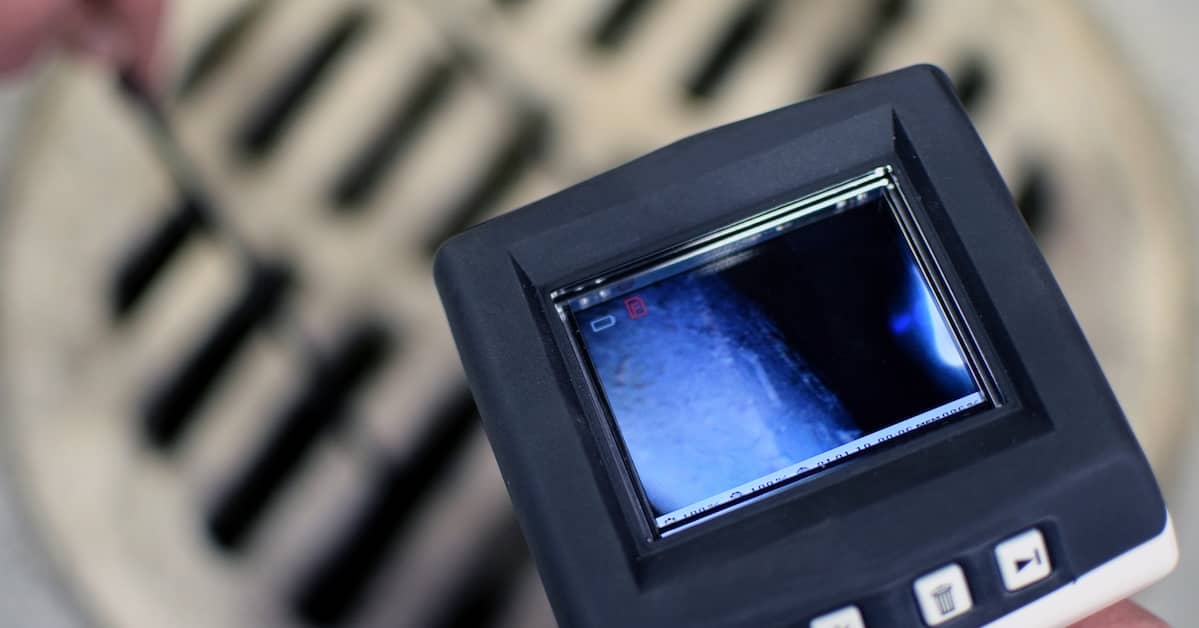
Video pipe inspection uses a remotely controlled camera crawler that moves through underground pipe systems. The camera captures high-definition video of the pipe interior while an operator monitors the feed in real time. Every crack, offset joint, root intrusion, or obstruction is documented as the camera advances through the line.
The video pipe inspection process allows issues to be identified early, verified after cleaning, or documented before system turnover. Because everything is recorded, the results can be reviewed, shared, and referenced long after the inspection is complete.
Step One: Accessing the Pipeline
Every inspection begins by identifying the best access point. This is typically a manhole, cleanout, or other existing entry into the system. Once the access point is identified, inspection equipment is set up and calibrated to match the pipe size, material, and length.
Step Two: Deploying the Robotic Camera
After setup, a robotic crawler equipped with a high-definition camera is inserted into the pipeline. The crawler is tethered to a control unit with up to 1,000 feet of cable, allowing long stretches of pipe to be inspected in a single run. As the crawler moves through the line, the operator controls its speed, direction, and camera angle. The camera can stop, zoom, and rotate to closely examine suspicious areas.
Step Three: Real-Time Monitoring and Documentation
While the crawler moves through the pipe, the inspection is monitored live on screen. Operators look for structural defects, flow restrictions, and signs of deterioration that could impact performance. Each finding is logged with distance measurements, so its exact location is documented. During this phase of the video pipe inspection process, the system records continuous video footage and captures still images of any issues. Distance counters track how far the camera has traveled, making it easy to pinpoint problems down to the foot.
Step Four: Identifying Pipe Issues
The inspection looks for issues that can clog or weaken a pipe over time. It often reveals cracked or broken pipe walls, joints that have shifted or pulled apart, sections that have collapsed or lost their shape, and tree roots pushing their way inside. Buildup from sediment, grease, or leftover construction materials is also common.
Video inspection can also identify problems like poor pipe slope, buried service laterals, or manholes that were never properly marked. Seeing these issues firsthand makes it easier to fix small problems early, before they turn into expensive repairs or system failures.
Step Five: Reporting and Deliverables
After the inspection, everything is organized into a clear, easy-to-use digital report. Superior Hydrovac delivers a full NASSCO inspection package that includes the video footage, still images, distance measurements, and notes on anything that stands out along the way.
Clear documentation makes it easier to meet municipal requirements, plan maintenance, and decide what repairs actually need to happen. All reports are uploaded to a secure cloud portal, so engineers, contractors, and inspectors can access and share the information right away.
When Video Pipe Inspection Is Most Useful
Video pipe inspection is used in situations where you need to know the true condition of underground pipes, such as.
- Diagnosing slow drainage, backups, or recurring blockages
- Before sewer or storm lines are accepted by a municipality
- After cleaning or jetting to confirm the line is fully clear
- As part of routine maintenance for commercial or industrial properties
- During due diligence for property purchases or site evaluations
- Before renovations or expansions that could impact existing piping
- After nearby construction to check for damage or shifted lines
Video pipe inspection provides clear answers and makes it easier to plan next steps, avoid surprises, and move forward with confidence.
Schedule Your Video Pipe Inspection with Superior Hydrovac Today
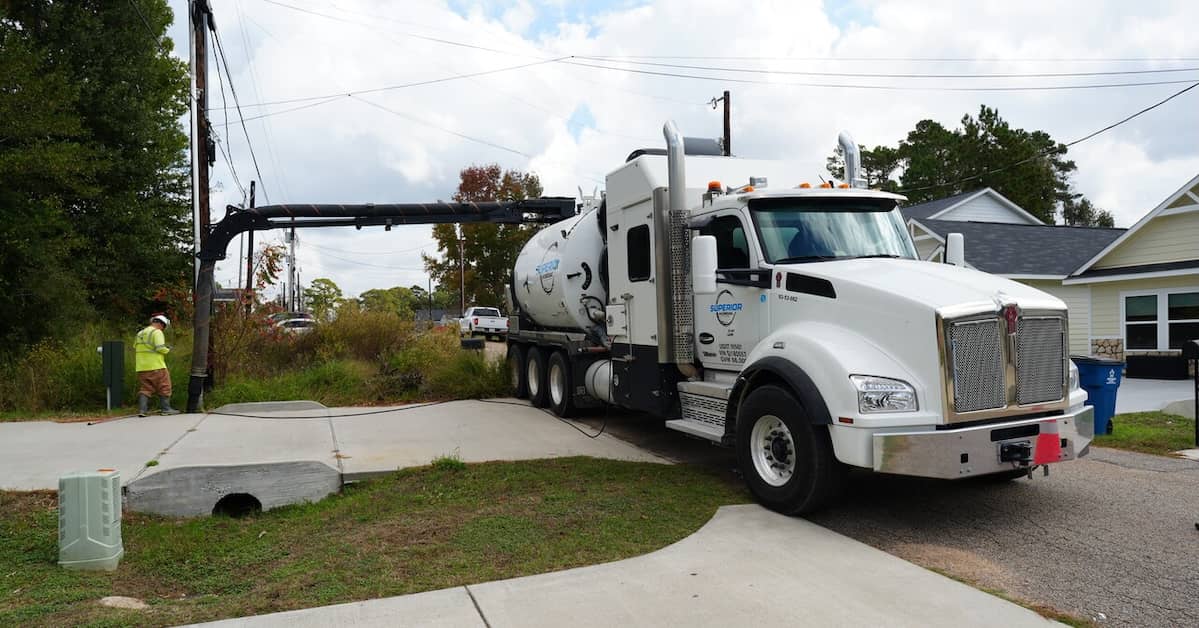
At Superior Hydrovac, our people set us apart. From experienced operators running video pipe inspection equipment in the field to the support teams behind the scenes, everyone is focused on doing the job the right way. We take pride in our training, our safety culture, and the accountability we bring to every inspection and service we provide, no matter the size or scope.
We understand the demands of industrial and municipal environments, and we know how to deliver the clear, reliable inspection results you need to make the right decisions.
Contact Superior Hydrovac today online or at (844) 271-5944 to schedule a video pipe inspection.
Contact Peak Today
Contact Superior Hydrovac today online or at 844-271-5944 to discuss your unique project needs. We are ready to deliver exceptional service whenever you need us. We look forward to surpassing your expectations.
Call Now!
