




Is Hydro Excavation Safer for Utility Line Exposure?
Utility line exposure presents significant risks, from service outages to severe injuries and even fatalities. Whether you’re dealing with electrical conduits, fiber-optic cables, water mains, or gas lines, the excavation method you choose plays a direct role in how safely those utilities are uncovered. That’s why many contractors, municipalities, and utility companies are turning to hydro excavation as the safer, smarter alternative to traditional digging.
But is hydro excavation really safer for utility line exposure? Let’s take a closer look at the process, the risks it mitigates, and why it’s becoming the go-to solution for sensitive subsurface work.
Understanding the Risks of Utility Line Exposure
Any time the ground is disturbed near underground infrastructure, there is potential for damage. Mechanical excavation equipment, such as backhoes and trenchers, offers very little precision. A slight miscalculation can result in a torn gas line, severed communication cable, or ruptured water main.
These incidents are not only costly in terms of repairs and downtime, they can also be dangerous. Striking a live electrical line or high-pressure gas pipe can result in explosions, electrocution, or widespread outages. Even minor hits may require emergency response, utility dispatch, and regulatory reporting.
The goal with any excavation is to locate and expose utility lines without harming them. This is why hydro excavation is the preferred solution.
How Does Hydro Excavation Work?
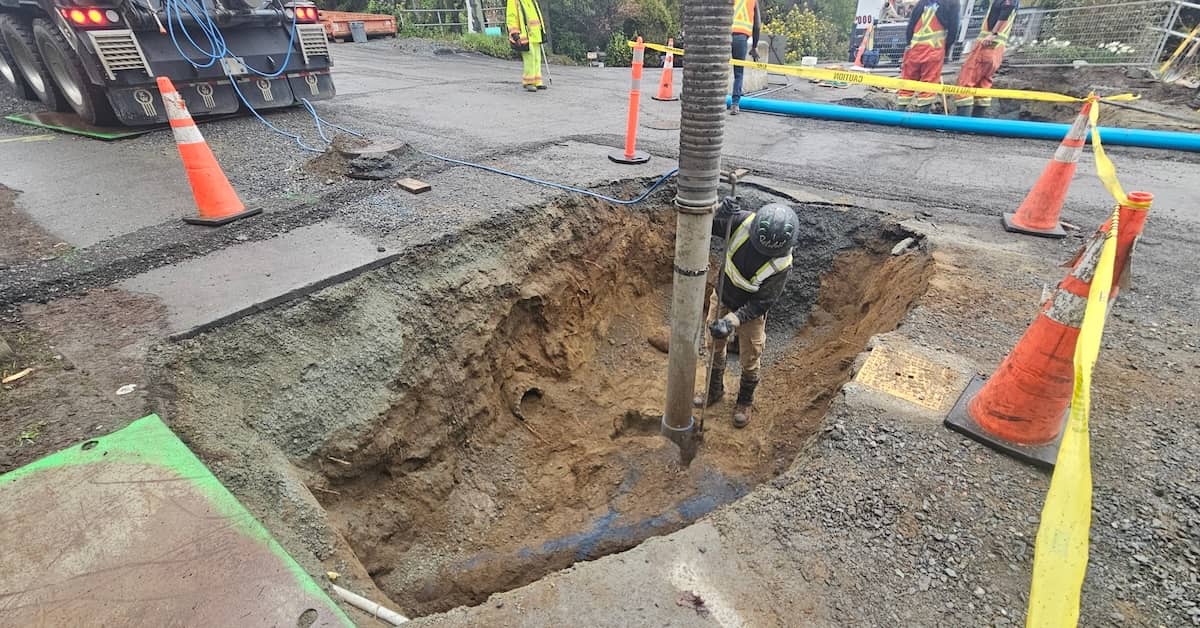
Hydro excavation is a non-mechanical, non-destructive method that uses high-pressure water to break up soil. A powerful vacuum system then removes the loosened debris, leaving a clean and clearly visible area around buried infrastructure.
Unlike mechanical methods that rely on brute force, hydro excavation excels at control and precision. The water pressure can be adjusted to match soil conditions and job requirements, allowing operators to safely expose lines without damaging them.
Why Hydro Excavation Is Safer for Utility Line Exposure
Traditional digging methods rely on steel teeth or blades that cut into the earth blindly. If a utility line isn’t exactly where it’s supposed to be, or if it’s made of fragile materials like clay, plastic, or fiber optics, it’s at serious risk of being struck. Hydro excavation dramatically reduces this risk.
Because the water jet breaks apart soil gently and the vacuum clears it without force, the chances of damaging buried lines during utility line exposure are greatly diminished. In fact, hydrovac systems are often used specifically to expose utilities before other excavation equipment is brought in. This precautionary step ensures that high-risk areas are clearly marked and verified by visual inspection.
Increased Accuracy with Utility Mapping
Even with up-to-date utility maps, problems can occur. Pipes may have been rerouted, marked inaccurately, or installed at unexpected depths. When these conditions exist, hydro excavation provides a way to verify the exact location and depth of buried infrastructure without relying solely on paper records or electronic locators.
This is particularly important for complex sites with overlapping utility networks or areas undergoing redevelopment. Performing utility line exposure with a hydro excavator helps crews dig with confidence.
Enhanced Safety for Workers and the Public
Another major benefit of hydro excavation is the improved safety it offers, not just for underground infrastructure, but for workers and the public as well. Utility strikes can result in fires, toxic gas leaks, electrical shock, and flooding. Hydro excavation minimizes the chances of these incidents by reducing the potential for direct contact with the lines.
The equipment itself also poses fewer safety risks. Hydrovac systems typically use long hoses and booms, allowing operators to work from a distance rather than standing in the trench or directly above the dig site. This limits exposure to cave-ins, falling debris, or hazardous materials during utility line exposure operations.
Ideal for Tight or Congested Spaces
Hydro excavation is especially beneficial in urban environments, industrial plants, and other areas where space is limited. Traditional equipment often requires room to maneuver and can disturb large areas of ground. Hydrovac trucks, on the other hand, can remain parked safely at a distance while a flexible hose is deployed into the target area.
This makes it easier to perform safe utility line exposure around sidewalks, curbs, foundations, or adjacent infrastructure without collateral damage. It also reduces restoration costs, since only the necessary area is excavated.
Regulatory Compliance and Damage Prevention
In many regions, hydro excavation is recommended or even mandated for sensitive dig areas. Utility companies and regulators alike recognize its value in reducing service interruptions and ensuring compliance with “call-before-you-dig” laws.
Every year, thousands of utility damages are reported due to improper digging techniques. Many of these could be avoided with safer exposure practices. When used as part of a planned locate-and-expose strategy, hydro excavation meets the requirements for safe utility line exposure and helps contractors avoid fines, project delays, and legal liability.
Supporting Sustainable Construction Practices
Beyond safety, hydro excavation also supports sustainability. Because it disturbs less soil, it results in smaller backfill and less runoff. It’s also more precise, which means less impact on nearby ecosystems, landscaping, or infrastructure.
For utility companies and municipalities looking to reduce their environmental impact, hydro excavation is a smart, low-impact method, especially in sensitive areas like wetlands, neighborhoods, or parks where utility line exposure needs to be handled with extra care.
When to Choose Hydro Excavation for Utility Work
While hydro excavation is not the only solution for every digging project, it is the preferred choice whenever safety, accuracy, and efficiency are top priorities. It’s especially well-suited for:
- Exposing live utilities before trenching or drilling
- Daylighting known utility locations
- Potholing to confirm depths before boring
- Working near active lines or congested utility corridors
- Excavating in frozen or clay-heavy soils where mechanical digging is risky
For these applications and more, hydro excavation ensures a safer approach to utility line exposure without compromising speed or productivity.
Contact Superior Hydrovac for Safe Utility Line Exposure
Looking for a safer, smarter way to expose utility lines? Superior Hydrovac has you covered. From potholing to trenching, our experienced crews use advanced equipment and real-time site evaluations to keep your project running safely and efficiently.
Contact the experts at Superior Hydrovac today online or at 844-271-5944 to get started on your next project.
More Articles For You

Contact Peak Today
Contact Superior Hydrovac today online or at 844-271-5944 to discuss your unique project needs. We are ready to deliver exceptional service whenever you need us. We look forward to surpassing your expectations.
Call Now!
