





Can Hydrovac Be Used on All Soil Types?
Hydrovac is a revolutionary excavation method that provides precise, safe, and versatile solutions in nearly all soil types. Other excavation methods face challenges when dealing with different types of soil, each with its own characteristics that can make digging dangerous and difficult.
Hydrovac (hydro excavation) uses high-pressure water to break down various soil types and vacuums to remove the slurry safely and nondestructively. It is the method of choice for a wide range of projects that prioritize precision and safety.
How Hydrovac Works with Different Soil Types
Here are some of the soil types in which hydro excavation excels:
1. Rocky Soil
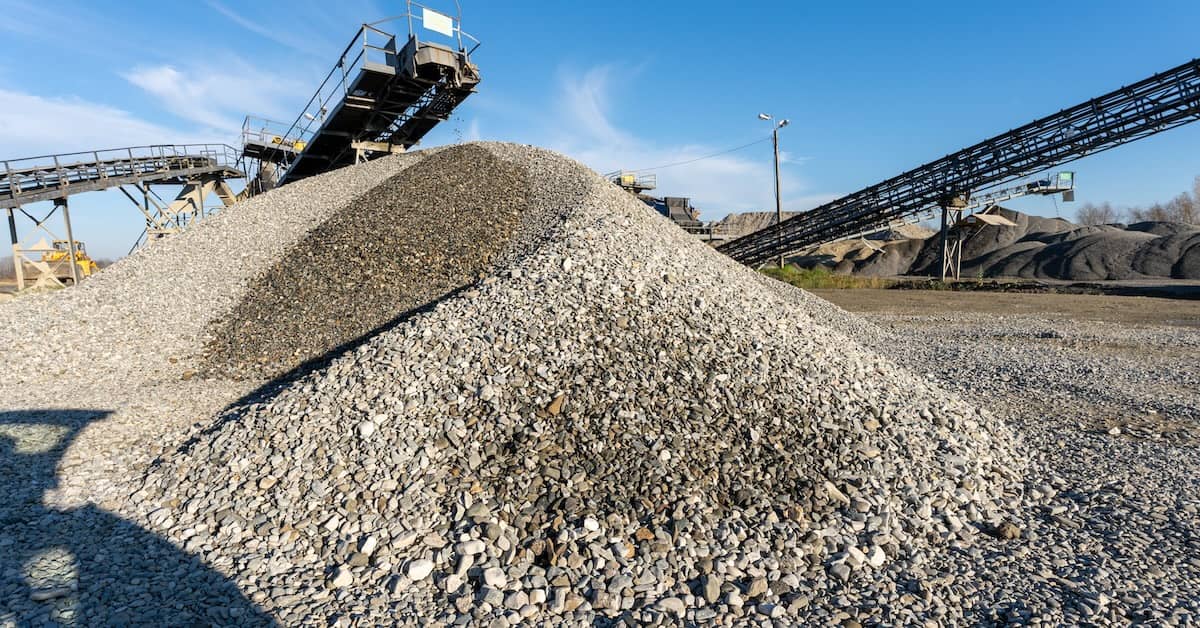
Rocky soil poses substantial challenges for traditional excavation methods. While methods like manual or mechanical digging can be slow and potentially damage equipment, hydrovac excavation can efficiently break down and remove rock. High-pressure water weakens the soil structure, and vacuums extract the resulting debris and slurry. This method reduces the need for manual labor or heavy machinery, making excavation in rocky soil safer and more precise.
2. Sandstone
Sandstone is a sedimentary rock composed of compacted sand grains, mostly quartz sand, but it can contain feldspar, silt, and clay. Due to its hardness and interlocking nature, sandstone can be difficult to excavate. The high-pressure water involved in hydro excavation weakens the integrity of the sandstone, making hydrovac a highly effective method for these soil types. Vacuuming allows easier extraction of the loosened material, which reduces the risk of harming surrounding infrastructure or the formation itself.
3. Clay
Clay soil is typically dense and sticky, making it difficult to excavate with mechanical equipment. However, digging through clay with hydrovac’s high-pressure water can make the job faster and easier. Clay naturally expands when water is added, meaning that it easily breaks down with high-pressure water.
Excavating in clay soil demands caution. Clay can become unstable and collapse easily. To avoid potential issues, it is best to take a slow and careful approach.
4. Sand and Topsoil
While sand and topsoil are soft soil types and easy to dig through, they still present significant challenges in other ways. These types of soil can easily collapse when disturbed, especially when subjected to traditional excavation methods. Manual and mechanical excavation can damage underground infrastructures and endanger workers.
Hydrovac is a smart choice for these soil types. It offers controlled and precise digging, so certain risks (such as trench collapses) are mitigated. Depending on the specific area being excavated, the majority of the soil remains intact when not being dug, so the job site is more secure.
5. Silt
Silt is a fine-grained type of soil that can erode easily and be displaced with traditional excavation methods. Hydrovac can delicately remove these soil types without causing unnecessary disturbances, making it perfect for projects that demand precision and minimal environmental impact.
6. Frozen Soil
Frozen soil is particularly challenging in permafrost conditions or during winter. Mechanical digging in these conditions can be damaging or impractical. However, hydrovac can incorporate heated water to thaw frozen soil types safely and efficiently. Because of this, crews can operate year-round, even in cold climates, without compromising the quality or safety of the excavation.
Advantages of Hydrovac in Varying Soil Types
Soil can shift from sand to clay to rock in a matter of feet, and frozen ground creates its own set of challenges. Traditional excavation often struggles with these changes, slowing down progress and requiring different equipment. Hydrovac solves this problem by using one safe, efficient method that adapts as conditions change.
This adaptability makes hydrovac especially useful in busy urban areas and environmentally sensitive spaces. It helps protect underground utilities, reduces the risk of collapses, and disturbs less of the surrounding soil and vegetation. With the ability to use heated water, it also keeps projects moving through the winter when other methods stall.
Here’s why crews and project managers choose hydrovac when the ground is unpredictable:
- Hydrovac handles multiple soil types without switching tools or equipment
- Hydrovac cuts down on costly delays from weather or frozen ground
- Hydrovac creates safer job sites by reducing line strikes and cave-ins
- Hydrovac leaves surrounding soil and vegetation intact
- Hydrovac provides a consistent excavation method across different projects and environments
Hydrovac doesn’t just work in all soil types; it keeps projects safer, faster, and more reliable, no matter what conditions come up.
Choose Superior Hydrovac for Most Soil Types
At Superior Hydrovac, we know two jobs are the same. Our crews have hydrovac experience with a wide range of different soil types. We have the people, tools, and expertise to handle whatever soil type your job involves, from rocky ground to frozen silt. Our experienced teams and state-of-the-art equipment provide exceptional results, on time and on budget.
Whether your project involves utility line exposure, trenching, daylighting, or large-scale excavation, Superior Hydrovac is ready to help.
Contact Superior Hydrovac today online or at (844) 271-5944 to learn how we can help with your next project.
Contact Peak Today
Contact Superior Hydrovac today online or at 844-271-5944 to discuss your unique project needs. We are ready to deliver exceptional service whenever you need us. We look forward to surpassing your expectations.
Call Now!
