




How Deep Can Hydro Excavation Go?
When planning an excavation project, one of the first things you’ll want to know is how deep hydro excavation can go. Whether you’re working in the heart of a major city, on a rural jobsite, or somewhere in between, knowing the limits of this non-destructive digging method can help you plan smarter, work safer, and reduce unexpected delays.
Hydro excavation is trusted across the country for its precision, safety, and ability to dig in places traditional machines cannot. While it’s not always about digging the deepest hole possible, hydro excavation stands out for how effectively it can reach significant depths, especially in tight or high-risk areas where traditional equipment falls short.
Let’s take a closer look at how deep hydro excavation can go and what that means for your next job.
Understanding Hydro Excavation
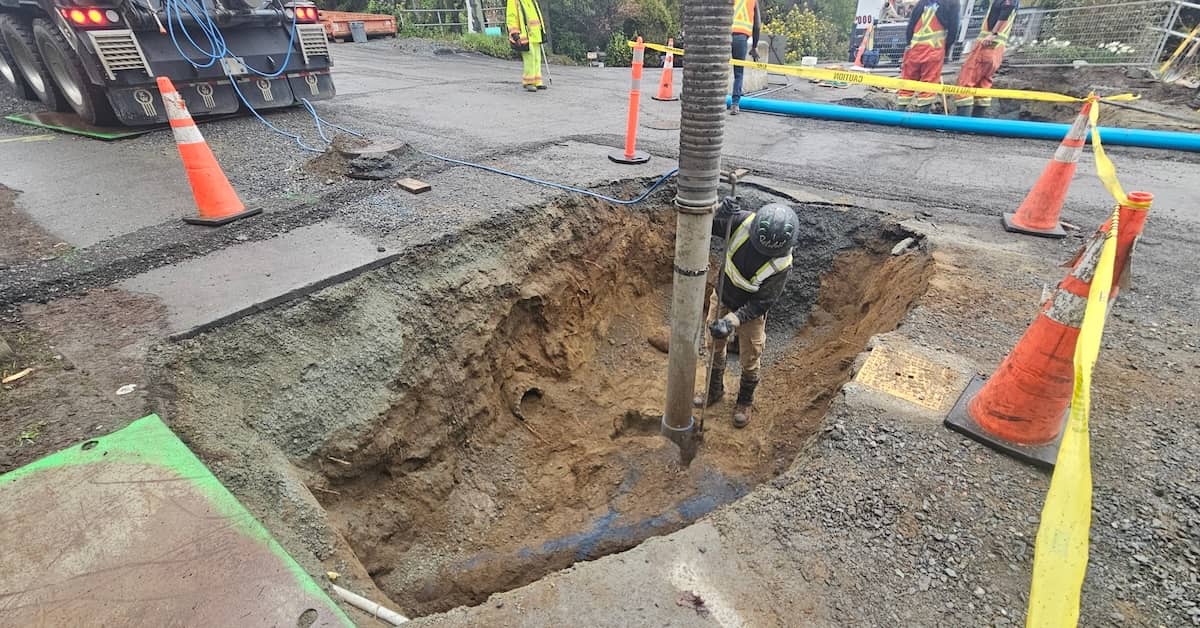
Hydro excavation uses high-pressure water to break up soil, which is then vacuumed into a debris tank using a powerful suction hose. This non-mechanical method is ideal for exposing underground utilities, digging trenches, daylighting, and other subsurface tasks without the risk of damaging buried infrastructure.
Unlike traditional digging, which uses heavy machinery to move large amounts of soil, hydro excavation lets you target specific areas with greater control. When done right, it can reach surprising depths.
Typical Hydro Excavation Depths
So, how deep can hydro excavation go under normal circumstances? For most routine projects, it’s common to see digging depths in the 20- to 30-foot range. This includes:
- Slot trenching for pipe installation
- Potholing to verify utility locations
- Exposing underground lines or valves
- Installing signs, poles, or fencing with deep-set foundations
At this range, the process is fast, safe, and highly efficient, especially in areas where other methods might cause unnecessary damage or disruption.
Maximum Depth Potential with the Right Equipment
While the 20–30 foot range is standard, the limits don’t stop there. In certain situations, contractors have gone significantly deeper using specialized setups. With the right combination of equipment and operator experience, hydro excavation can reach 60 feet, 70 feet, and in rare cases, even more.
Achieving this kind of performance depends on:
- The type of hydrovac truck used
- The vacuum system’s power and suction capability
- The configuration of hoses, booms, and wands
- Soil and weather conditions
- Water temperature and flow rate
- Operator expertise
For deeper excavations, especially those in industrial, energy, or remote field applications, knowing how deep hydro excavation can go and what tools are needed to get there is essential.
Key Factors That Affect Hydro Excavation Depth
Several critical factors influence just how deep hydro excavation can go on any given site:
Vacuum Power and Suction Efficiency
Hydrovac trucks use either positive displacement blowers or liquid ring vacuum systems. Higher-end trucks provide more suction, which allows crews to lift material from greater depths without clogging or slowing down.
Water Pressure and Temperature
Water pressure helps break up dense soil, while temperature becomes especially important in colder climates. Hot water systems allow for efficient digging in frozen or compacted ground. Both elements affect how deep hydro excavation can go before becoming impractical or inefficient.
Hose Length and Diameter
Longer hoses are needed for deeper digs, but longer lengths create more resistance and reduce vacuum performance. Choosing the right hose diameter and managing bends and slack can help maintain suction over greater distances.
Soil Type and Ground Conditions
Soft, sandy, or loamy soils are easier to remove than clay-heavy, rocky, or frozen ground. The harder the soil, the more energy and time it takes to dig, affecting how deep hydro excavation can go efficiently.
Operator Experience
Even the best equipment won’t deliver top performance without a skilled operator. A good hydrovac crew understands how to maintain efficiency, manage equipment limitations, and adapt to changing jobsite conditions to maximize depth and safety.
When You Might Need to Dig Deep
While most hydro excavation jobs stay within that 30-foot comfort zone, some applications call for a deeper approach. These include:
- Exposing deep utility or oil pipelines
- Accessing underground vaults, tanks, or manholes
- Trenching for long, buried utility runs
- Drilling or piling in unstable or soft ground
- Working in environmentally sensitive areas where surface disruption must be minimized
In these cases, knowing how deep hydro excavation can go isn’t just interesting—it’s essential for success.
Trust Superior Hydrovac for Deeper Excavations
When your excavation project goes beyond the basics, you need a trusted partner who understands the limits and possibilities of what hydrovac can do. Superior Hydrovac brings unmatched experience, state-of-the-art equipment, and a proven track record to every job, whether you’re working on a simple 10-foot trench or trying to reach a pipeline buried deeper below ground.
Ready to get started on your next project? Contact Superior Hydrovac today online or at 844-271-5944 to learn how our hydro excavation services can help. We’re ready to take your next project further, because when depth matters, so does your choice in who does the digging.
More Articles For You
Contact Peak Today
Contact Superior Hydrovac today online or at 844-271-5944 to discuss your unique project needs. We are ready to deliver exceptional service whenever you need us. We look forward to surpassing your expectations.
Call Now!
