





What Is Core Drilling and How Does It Work?
Core drilling allows contractors to cut clean, round holes through concrete, asphalt, and other hard surfaces without breaking up the surrounding area. It’s especially useful when you need to reach underground utilities beneath a road, sidewalk, or parking lot.
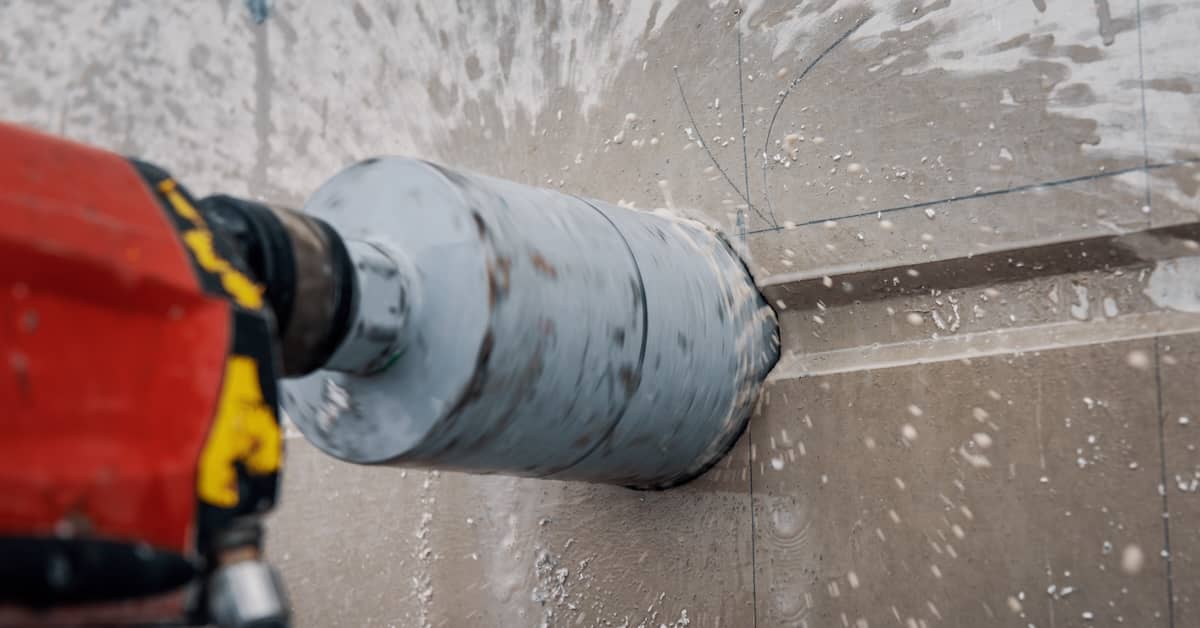
The process works a little differently from using a regular drill. Instead of grinding the material into small pieces, a hollow drill bit cuts around a section of concrete or asphalt. That section, called a core, can then be pulled out, leaving an opening for utility work, pipe installation, or other construction needs.
At Superior Hydrovac, we know how important it is to reach underground infrastructure safely and efficiently. We can help you access buried utilities and avoid unnecessary damage to pavement and surrounding infrastructure.
How Does Core Drilling Work?
Core drilling uses a specialized drill equipped with a hollow, cylindrical bit. The cutting edge is typically embedded with industrial diamonds, which allow it to cut through hard materials such as concrete and asphalt. The process generally involves several steps:
- Identify the drilling location. Workers determine where the opening is needed and check for utilities, reinforcement, or other obstacles that could be damaged.
- Select the right equipment. The drill bit’s diameter and type depend on the material being cut and the size of the required opening.
- Position and secure the drill. Depending on the equipment and job, the drill may be handheld or mounted to a stand for greater stability and accuracy.
- Cut through the surface. The rotating bit gradually cuts a circular path through the material. Water is often used to cool the bit and control dust. OSHA also recommends wet cutting methods to reduce workers’ exposure to harmful silica dust.
- Remove the core. Once the cut is complete, workers remove the cylindrical section, leaving a clean opening.
The size and depth of the hole depend on the project’s requirements. Some openings are only a few inches wide, while others are large enough to accommodate pipes or provide access for excavation equipment.
What Is Core Drilling Used For?
Core drilling serves several purposes in construction and utility work. Its main advantage is the ability to create an accurately sized opening without removing a large section of the surrounding surface.
Accessing Underground Utilities
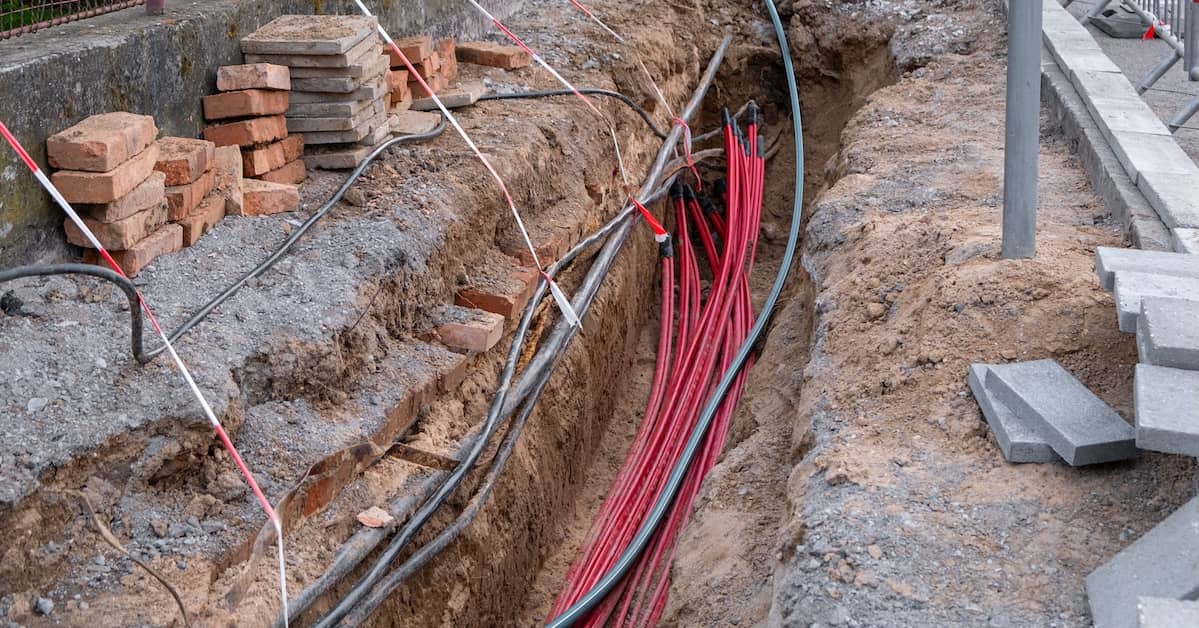
Water lines, gas pipes, electrical cables, and telecommunications infrastructure are often buried beneath streets, parking lots, and sidewalks.
When contractors need to reach these utilities, drilling through the pavement can provide a controlled access point. Hydrovac excavation can then remove the soil beneath the opening, exposing buried infrastructure without the aggressive digging action of traditional mechanical equipment.
Installing Pipes and Conduits
Construction projects frequently require openings for plumbing, electrical conduits, HVAC systems, and other building components.
Drilling allows contractors to create holes sized for these installations rather than cutting away unnecessary material.
Collecting Material Samples
Engineers and inspectors also use core drilling to collect samples of concrete and asphalt.
These samples can help determine pavement thickness, evaluate material quality, or investigate structural problems. Testing may reveal whether a surface meets project requirements or needs repairs.
Supporting Road and Infrastructure Repairs
Road maintenance and infrastructure upgrades often require access beneath existing pavement.
Instead of removing a large section of roadway, contractors can use a smaller opening to inspect underground conditions, locate utilities, or prepare for additional excavation.
What Are the Benefits of Core Drilling?
When a project requires access through a hard surface, the right drilling method can save time and limit disruption. Some of the main advantages include:
- Precision: Creates clean, accurately sized openings in concrete, asphalt, and other hard materials.
- Less surface damage: Removes only the material necessary for the opening rather than breaking apart a larger area.
- Reduced vibration: Diamond drilling generally produces less vibration than jackhammering, helping protect nearby surfaces.
- Versatility: Works for utility access, pipe installation, material testing, and other construction applications.
- Easier surface restoration: Smaller, controlled openings may be easier to repair once underground work is complete.
These benefits are particularly valuable in developed areas where contractors need to work around roads, sidewalks, buildings, and existing infrastructure.
How Does Core Drilling Work With Hydrovac Excavation?
Core drilling and hydrovac excavation are often used together when contractors need to access underground utilities beneath paved surfaces.
The drilling equipment first creates an opening through the concrete or asphalt. Once the core is removed, a hydrovac truck can begin excavating the soil below.
Hydrovac excavation uses pressurized water to loosen soil and a powerful vacuum to remove the resulting slurry. This allows operators to expose underground utilities with greater control than conventional mechanical digging. Combining these methods offers several advantages:
- Limits the amount of pavement that must be removed
- Provides targeted access to buried infrastructure
- Reduces the risk of damage from mechanical digging equipment
- Helps minimize disruption to surrounding areas
- Supports precise utility locating and daylighting
This approach is particularly useful for potholing, also called daylighting, where contractors expose a small section of an underground utility to confirm its location and depth.
However, safe work still requires proper utility locating, site assessment, and appropriate drilling and excavation procedures.
When Should Contractors Consider Core Drilling?
Core drilling is worth considering whenever a project requires a precise opening through pavement or concrete. It can be especially useful when working in areas where large-scale demolition would create unnecessary costs, traffic disruptions, or restoration work.
For example, a contractor preparing to install new underground infrastructure may need to confirm the location of existing utility lines before excavation begins. Drilling through the pavement and using hydrovac equipment to expose those lines can provide the information needed to plan the work safely.
The best approach depends on surface thickness, utility locations, site conditions, and the size of the required opening.
Contact Superior Hydrovac for Safe, Precise Underground Utility Access
Getting beneath concrete or asphalt shouldn’t mean tearing up more pavement than necessary. When core drilling is combined with hydrovac excavation, contractors can reach buried infrastructure with greater precision while reducing the risk of costly utility damage.
At Superior Hydrovac, we provide professional hydrovac excavation services to help contractors, utility companies, and construction teams complete projects safely and efficiently. Our experienced operators use specialized equipment to expose underground infrastructure while minimizing disruption to the surrounding area.
Contact Superior Hydrovac today online or at (844) 271-5944 to get started! We proudly serve customers in Del Valle, Austin, Iowa Park, Fort Worth, San Antonio, and Spring, Texas. We also serve areas of Tennessee, Missouri, and Charlotte, North Carolina.
More Articles For You
Contact Peak Today
Contact Superior Hydrovac today online or at 844-271-5944 to discuss your unique project needs. We are ready to deliver exceptional service whenever you need us. We look forward to surpassing your expectations.
Call Now!
