



Why Is Line Jetting Important for New Sewer and Storm Lines?
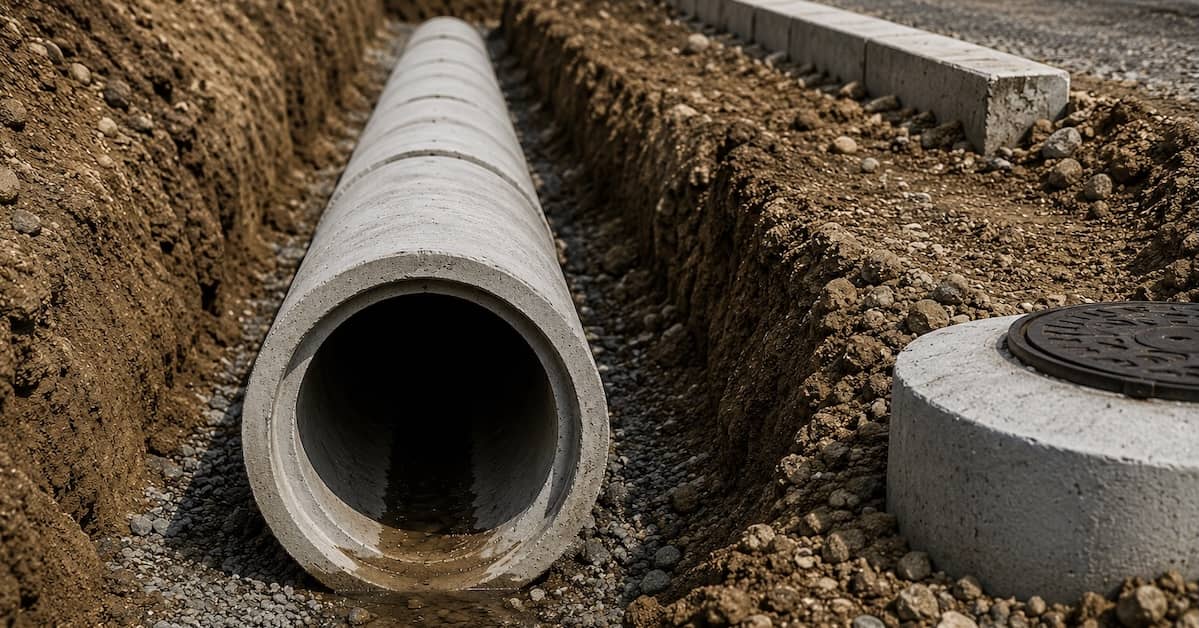
When a new sewer or storm line is installed, it’s easy to assume the job is complete once the pipe is in the ground. However, construction debris, sediment, and leftover materials often remain inside the pipeline after installation. If those materials aren’t removed before the system goes into service, they can lead to poor flow, premature blockages, and costly maintenance issues.
That’s why line jetting for new sewer and storm lines has become a standard part of many construction projects. Using high-pressure water, contractors can thoroughly clean newly installed pipelines before final inspection and commissioning, helping ensure the system performs as intended from day one.
Whether you’re building a municipal storm sewer, commercial drainage system, or sanitary sewer network, line jetting is a simple step that can help protect your investment for years to come.
What Is Line Jetting?
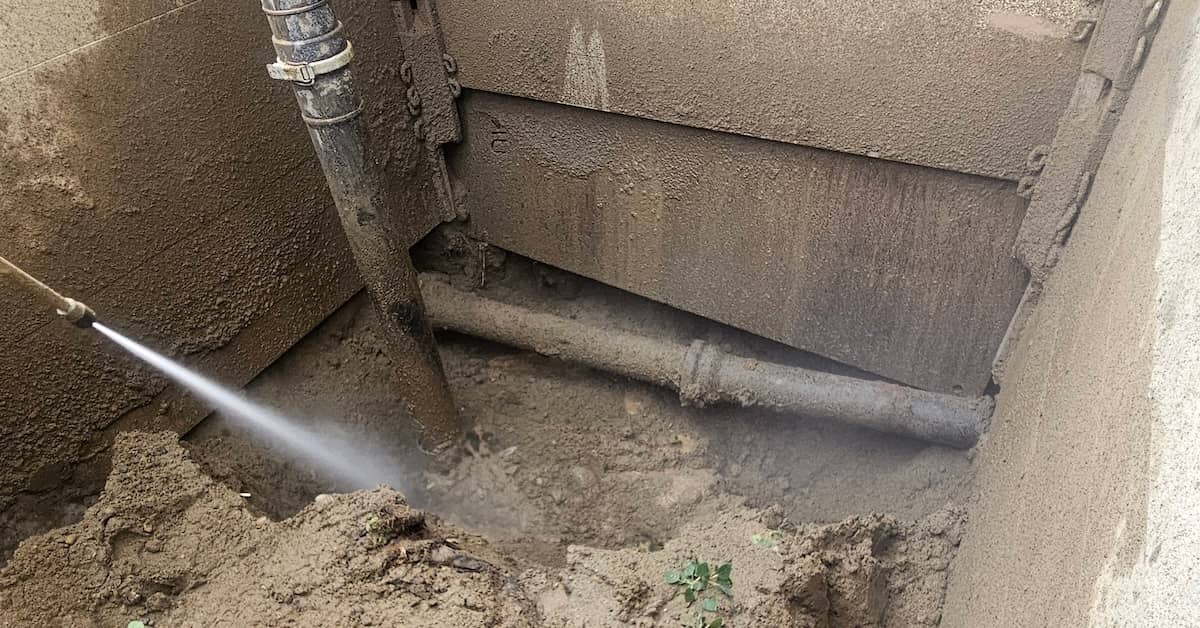
Line jetting is the process of cleaning the inside of a pipeline with high-pressure water delivered through a specialized jetting hose and nozzle. The pressurized water dislodges dirt, sand, gravel, concrete slurry, and other debris while pushing it toward a collection point where it can be safely removed.
Unlike mechanical cleaning methods, water jetting thoroughly cleans the entire interior surface of the pipe without damaging properly installed infrastructure. The process works effectively on pipelines of many different diameters and materials, making it ideal for newly constructed sewer and storm systems.
Why New Pipelines Need to Be Cleaned
Even though a pipeline has never been used, it’s rarely clean after construction.
During installation, pipes may collect:
- Dirt and loose soil
- Sand and gravel
- Concrete residue
- Grout or mortar
- Rocks
- Construction debris
- Packaging materials
- Standing water mixed with sediment
As crews connect sections of pipe and complete surrounding excavation, contaminants can easily enter the system. Even careful construction practices cannot prevent every piece of debris from finding its way into the pipeline.
If these materials remain inside, they can reduce flow capacity or become trapped at joints, bends, and low spots. Over time, additional sediment can accumulate around the original debris, creating blockages that may require expensive maintenance shortly after the system is placed into service. Performing line jetting for new sewer and storm lines removes these materials before they become future problems.
Helps Ensure Proper Flow
New drainage systems are designed to move water efficiently. Even relatively small amounts of debris can interfere with that design. Sediment buildup may:
- Restrict water flow
- Create standing water
- Increase sediment accumulation
- Cause localized backups
- Reduce the overall efficiency of the system
Cleaning the line before operation allows water to flow through the entire pipeline as engineers intended. For municipalities and developers, this provides greater confidence that the completed system will perform properly during its first major rainfall event.
Prepares the Line for Inspection
Many newly installed sewer and storm lines undergo video pipe inspection before being accepted by the owner or municipality. Camera inspections are designed to verify:
- Proper pipe alignment
- Joint integrity
- Grade and slope
- Installation quality
- Overall condition of the pipeline
However, debris inside the pipe can obstruct the camera and make it difficult to identify potential issues. Performing line jetting for new sewer and storm lines before video pipe inspection creates a clear view of the pipe interior, allowing inspectors to accurately evaluate the completed installation.
Prevents Early Maintenance Problems
One of the biggest advantages of cleaning new pipelines is reducing maintenance needs immediately after construction. When leftover debris remains inside the pipe, operators may experience problems within the first few months, including:
- Frequent cleaning
- Blockages
- Poor drainage
- Sediment accumulation
- Customer complaints
- Emergency service calls
Removing construction debris before the system is activated helps avoid these unnecessary maintenance costs and improves long-term reliability.
Protects Long-Term Infrastructure Performance
Municipal sewer and storm systems are designed to last for decades. Protecting that investment begins before the first gallon of water enters the pipe. Sediment left behind during construction can gradually collect additional material over time. What starts as a small amount of gravel or dirt may eventually grow into a significant obstruction that reduces pipe capacity.
Routine maintenance remains important throughout the life of the system, but beginning with a clean pipeline helps maximize long-term performance. That’s one reason line jetting for new sewer and storm lines is considered a best practice on many infrastructure projects.
Supports Successful Project Closeout
Before contractors can complete many public infrastructure projects, they must demonstrate that newly installed systems meet project specifications. Clean pipelines help streamline final acceptance by allowing inspectors to:
- Complete video pipe inspections
- Verify pipe condition
- Confirm proper installation
- Identify any defects that require correction
By cleaning the line before final inspection, contractors can avoid delays caused by debris obstructing the inspection process.
Why Hydrovac Equipment Makes the Process More Effective
Line jetting is often paired with hydrovac excavation equipment. As high-pressure water loosens debris inside the pipeline, vacuum excavation equipment removes the material safely from downstream access points, preventing it from simply being pushed farther into the system. This combination provides a complete cleaning process by:
- Loosening sediment
- Flushing debris
- Vacuuming waste
- Preventing downstream blockages
- Leaving the pipe ready for inspection
Using hydrovac technology also minimizes environmental impact by containing and properly disposing of removed materials.
When Should Line Jetting Be Performed?
Ideally, line jetting for new sewer and storm lines should take place after installation is complete but before final inspection and commissioning. Typical projects include:
- Municipal sewer construction
- Storm drain installation
- Commercial developments
- Residential subdivisions
- Highway drainage systems
- Industrial infrastructure projects
- Utility expansion projects
Scheduling the cleaning at the right stage ensures debris does not remain inside the pipe while allowing any installation issues to be identified before the project is officially completed.
Trust Superior Hydrovac for Professional Line Jetting Services
Superior Hydrovac provides professional line jetting for new sewer and storm lines as part of our comprehensive utility and infrastructure support services. Using specialized high-pressure jetting equipment and hydrovac technology, our experienced team helps contractors, municipalities, and developers prepare new pipelines for inspection and long-term performance.
Contact Superior Hydrovac today online or at (844) 271-5944 to get started! We proudly serve customers in Del Valle, Austin, Iowa Park, Fort Worth, San Antonio, and Spring, Texas. We also serve areas of Tennessee, Missouri, and Charlotte, North Carolina.
Contact Peak Today
Contact Superior Hydrovac today online or at 844-271-5944 to discuss your unique project needs. We are ready to deliver exceptional service whenever you need us. We look forward to surpassing your expectations.
Call Now!
