



What Types of Blockages Can Line Jetting Remove?
If you are dealing with slow drains, backups, or recurring clogs, the real concern isn’t just what is causing the issue; it’s whether the line can be fully cleared so the problem doesn’t keep coming back.
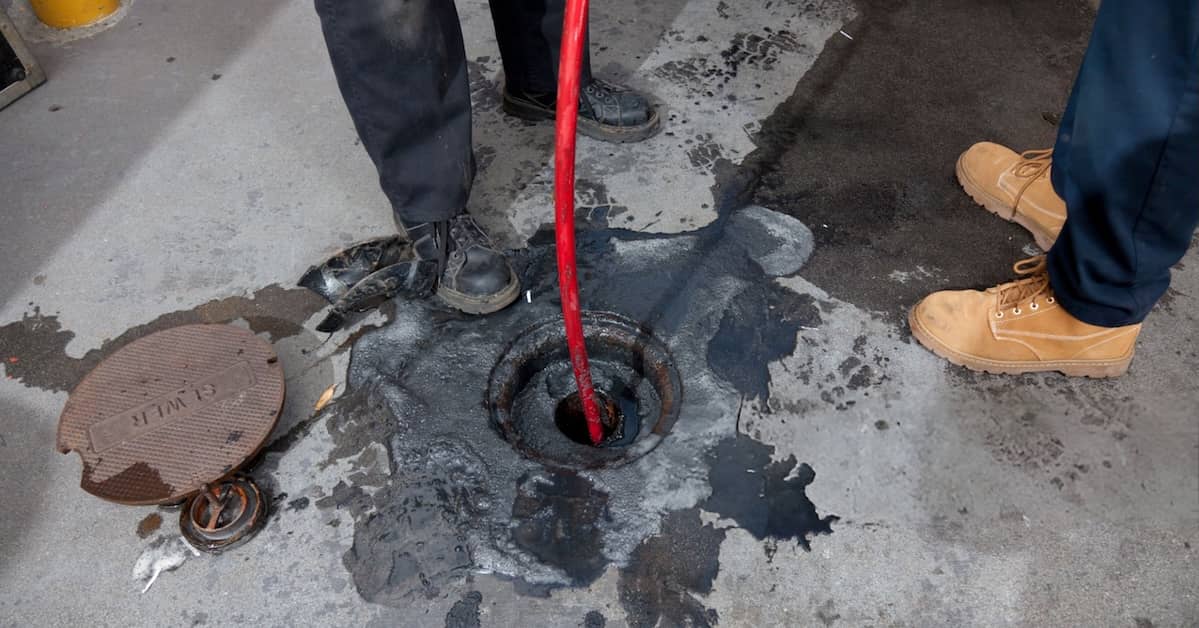
Line jetting is an effective, affordable process that uses high-pressure water to break apart debris and clean the inside of a pipe. This approach clears the entire line, not just part of it, which helps restore proper flow and reduce the chance of future clogs.
At Superior Hydrovac, the quality of our work starts with our people. Our teams are trained, experienced, and focused on doing the job the right way the first time. We take the time to assess each situation, understand what’s going on inside the line, and choose the best approach based on real conditions in the field.
So, what types of blockages can our line jetting services remove? Below are some common examples.
Persistent Grease Buildup
It doesn’t take long for fats, oils, and grease to start coating the inside of a pipe. Over time, that layer thickens, catches debris, and eventually slows everything down. The problem is that grease does not go away on its own. Even when you clear part of it, the rest sticks to the pipe and builds back up again.
Line jetting clears grease differently. Instead of just opening a path, it washes the entire inside of the pipe, removing that sticky layer so you are not dealing with the same issue again a few weeks later.
Sludge and Everyday Buildup
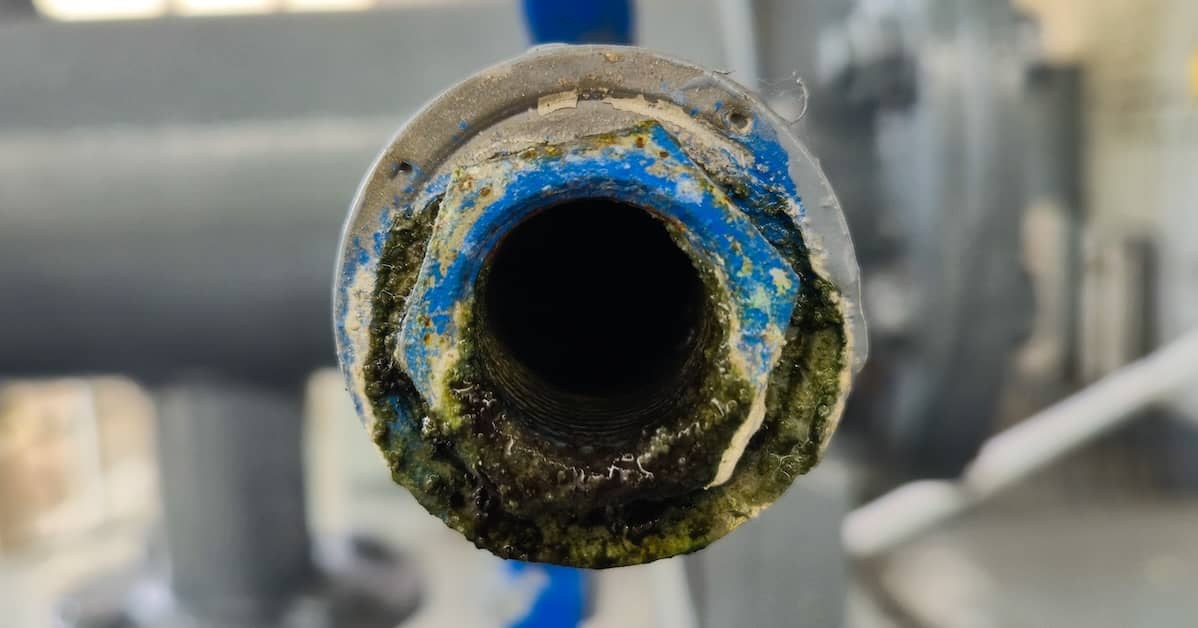
In many systems, especially older ones, years of sludge and everyday buildup can block a pipe. Things like soap residue, food waste, dirt, and organic material settle over time and form a thick sludge. You might notice it as slow drains at first, then eventually as backups or bad odors.
This type of buildup is exactly what line jetting is designed for. The pressure breaks it apart, and the water flushes it out completely. You are not just fixing the symptom, you are cleaning the line.
Tree Roots Inside the Pipe
Tree roots can pose significant problems. They find small cracks or joints in a pipe, grow into it, and then keep expanding. Eventually, they block the line or even damage the pipe itself.
Line jetting can cut through those roots using specialized nozzles. It is often the fastest way to reopen the line and get things flowing again. That said, if roots are getting in, there is usually a structural issue that needs to be addressed long-term. Jetting solves the immediate problem, but it also helps you identify what needs to happen next.
Hard Deposits and Scale
In certain systems, especially where hard water or industrial discharge is involved, mineral buildup forms along the pipe walls. This is often called scale, and it slowly reduces the diameter of the pipe. Over time, flow gets worse, and clogs become more frequent.
Line jetting can break up a lot of that buildup and clear it out. It is one of the few methods that can actually clean the pipe surface instead of just working around the problem.
Sand, Dirt, and Sediment
If you are dealing with storm drains, construction sites, or outdoor systems, sediment can become a serious problem. Sand, silt, and debris wash into the system and settle. Once enough builds up, it starts to block flow or create pooling and backups.
Line jetting handles this well because it loosens that packed material and moves it out of the pipe. When paired with vacuum removal, it clears the line completely instead of just shifting the problem downstream.
Trash and Foreign Objects
Wipes, paper products, packaging, and random debris can all end up in pipes and create blockages. In commercial or municipal systems, this can occur somewhat frequently.
Line jetting can break apart and dislodge these materials so they can be removed. It is especially useful when a blockage is a mix of debris and buildup that has formed around it.
Construction Debris in New Lines
During construction, materials like mud, grout, or concrete slurry can end up inside the line. If that is not cleaned out before the system is put into use, it can cause problems right away.
That is why line jetting is often used before inspections or project turnover. It clears out anything left behind so the system starts clean and performs the way it should.
Heavy Buildup in Large Pipes
In larger sewer or storm lines, blockages do not always look like a single clog. Instead, material builds up along the bottom of the pipe over time. This can be a mix of sludge, sediment, and debris that slowly reduces capacity until the system cannot keep up.
Line jetting is strong enough to handle these larger-scale issues. It clears out that buildup and restores flow, even in pipes that have been neglected for years.
Talk to Superior Hydrovac About Your Line
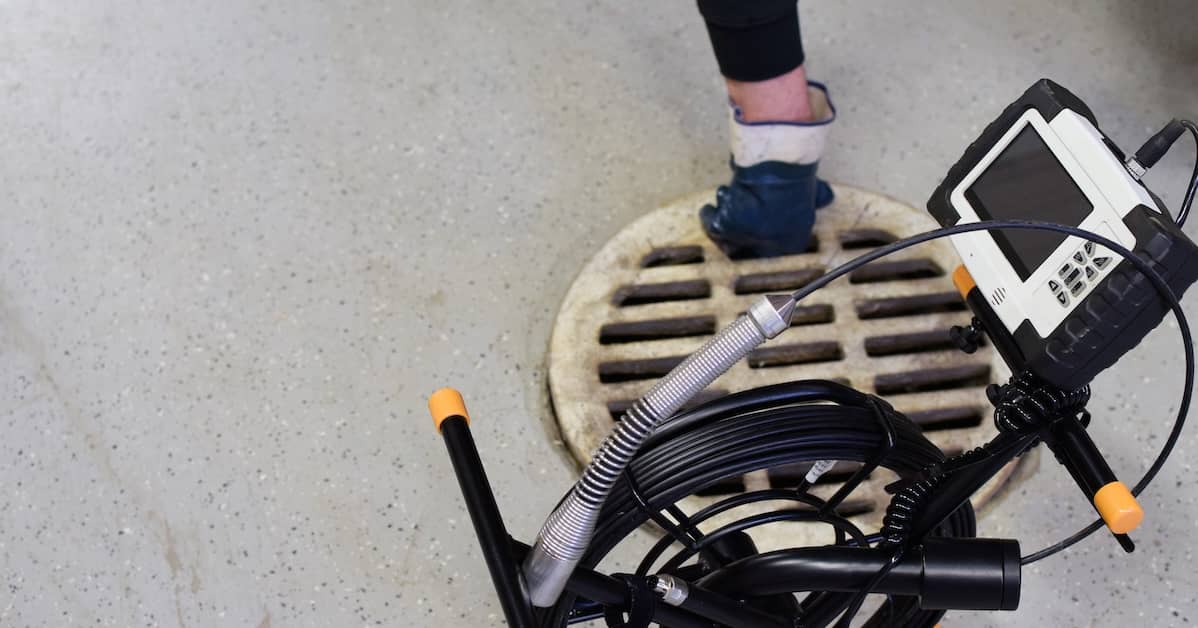
If you are dealing with persistent clogs or you just want to make sure your system is fully cleaned out, the line jetting services at Superior Hydrovac can help. Our video pipe inspection services can help identify any underground problems before jetting.
Superior Hydrovac has the equipment and experience to handle everything from routine maintenance to major blockages. Whether it is grease, roots, sediment, or a combination of issues, our team can get your lines clear and keep them that way.
Contact Superior Hydrovac today online or at (844) 271-5944 to get started. We proudly serve customers in Del Valle, Austin, Iowa Park, Fort Worth, San Antonio, and Spring, Texas. We also serve areas of Tennessee, Missouri, and Charlotte, North Carolina.
Contact Peak Today
Contact Superior Hydrovac today online or at 844-271-5944 to discuss your unique project needs. We are ready to deliver exceptional service whenever you need us. We look forward to surpassing your expectations.
Call Now!
