




What Type of Backfill Material Is Best?
When it comes to excavation and construction, choosing the right backfill material is one of the most important decisions you’ll make. It’s the difference between a stable, long-lasting foundation and one that shifts, sinks, or fails. But here’s the catch: there is no single “best” backfill material for every situation. The right choice depends on your specific application, soil conditions, project goals, and long-term performance needs.
Understanding the Role of Backfill Material
Backfill material is used to refill an excavated area, usually around utilities, foundations, pipelines, and trenches. While it might seem like a simple matter of dumping dirt back into a hole, the reality is much more complex. Poor backfill choices can lead to erosion, settling, drainage problems, and even structural damage.
The ideal backfill material must meet several criteria:
- Compaction: It needs to be compacted properly to prevent future settling.
- Drainage: Depending on the site, it should allow or resist water flow.
- Stability: It must support the weight of overlying structures or surfaces.
- Compatibility: It has to match or complement the surrounding native soil.
Not every material does all of this equally well, which is why the “best” choice varies project to project. The backfilling experts at Superior Hydrovac can assess the details of your project and ensure you get the right backfill material you need.
Common Types of Backfill Material
Coarse-Grained Soil (Gravel and Crushed Stone)
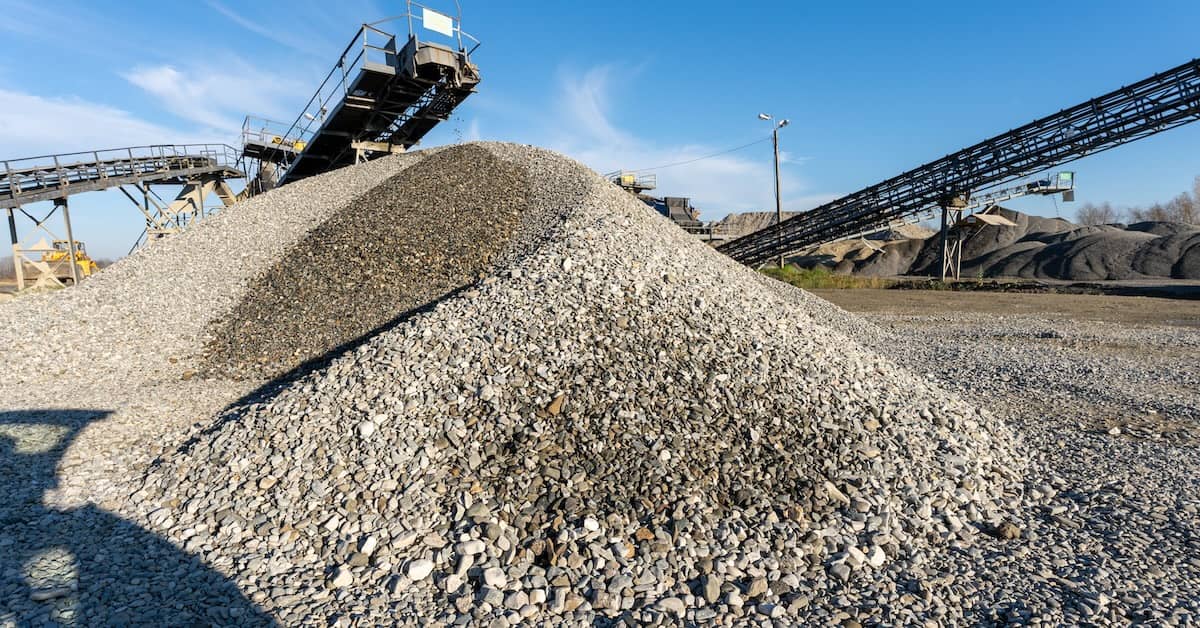
If your project needs materials that offer strength and good drainage, gravel and crushed stone are often ideal choices. Their rough, jagged shapes help them lock together as they settle, which makes them ideal for supporting heavy loads, like under concrete slabs or behind retaining walls.
Gravel and crushed rock are often the preferred choice in places with lots of rain or where freezing and thawing happen often, since they let water drain easily. This helps relieve pressure from built-up water and protects against damage.
That said, achieving proper compaction usually requires mechanical equipment. Depending on where your project is located, sourcing these materials can come with higher costs, especially if they need to be hauled from a distance. However, for applications where drainage and long-term performance matter, this backfill material is tough to beat.
Select Fill / Engineered Fill
When you need dependable results, select fill, also known as engineered fill, is a solid choice. It’s made and tested to meet specific standards for strength and compaction, so you know exactly what you’re working with.
Select fill is usually a mix of sand and clay. It is often ideal for building foundations, roadwork, or any project where the soil needs to perform consistently.
It can be more expensive and may require lab testing before use, but in projects where safety or precision matters, select fill delivers both reliability and peace of mind.
Native Soil
Sometimes, the best backfill material is the one you’ve already got. Using native soil from your excavation site can be a cost-effective and eco-friendly choice if the conditions are right.
Clean, granular soil that’s free from organics, roots, debris, or excess clay may be perfectly suitable for reuse. This can eliminate transportation costs and reduce your environmental footprint in one move.
However, not all native soils are created equal. If the excavated material retains too much moisture or lacks uniformity, it may lead to poor compaction, water retention issues, or settling problems over time. Because of this, a soil analysis is strongly recommended before relying on native material for backfill.
Flowable Fill (Controlled Low-Strength Material)
Flowable fill is a modern backfilling option designed for efficiency and precision. It’s a cement-based slurry that flows easily into place, eliminating the need for traditional compaction methods.
This makes it a popular solution in utility work, where trenches are narrow or difficult to access. Once placed, it hardens into a solid layer that offers dependable support for pipes, conduits, or other infrastructure.
However, it’s not ideal in situations where future excavation may be necessary (flowable fill is permanent). It’s also more expensive than traditional materials, making it better suited for complex or constrained sites where its benefits truly shine. When accessibility and speed matter most, though, this material is often the right choice for the job.
Factors to Consider When Looking for the Best Backfill Material
The best backfill material isn’t always the most expensive or high-tech; it’s the one that meets your site’s specific needs. Here are the key factors to consider:
Soil Conditions
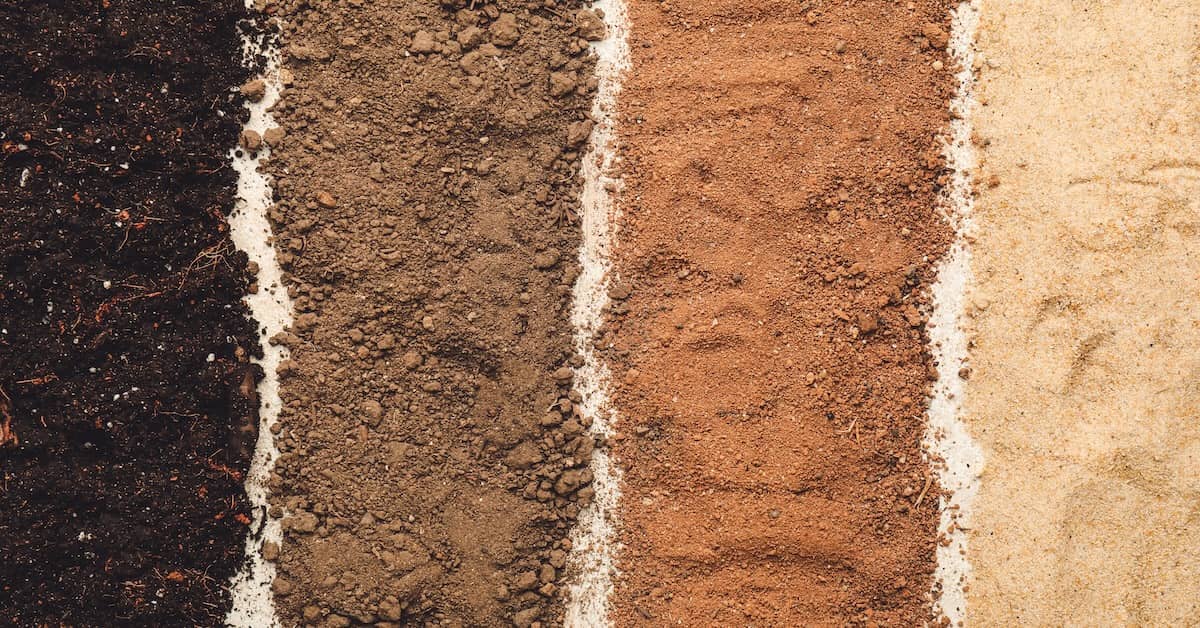
Before selecting a backfill material, you need to evaluate the native soil. Is it sandy, clay-heavy, rocky, or loamy? For example, clay-rich soils retain water and may require more permeable backfill like gravel to improve drainage.
Drainage Requirements
Drainage is critical. Backfilling behind a retaining wall or near a foundation often calls for coarse materials that prevent water from accumulating and creating pressure. In contrast, certain projects might require low-permeability materials to contain water.
Load-Bearing Needs
What’s going on top of the backfill? A heavy structure like a commercial building requires denser, more stable materials like crushed stone or engineered fill. Light-use areas, such as landscaping areas, might allow for more flexibility.
Compaction and Settlement Risk
Improperly compacted backfill can settle over time, leading to cracks in foundations, uneven surfaces, or damage to pipes. Materials like flowable fill or select fill help minimize this risk, but may not be necessary for all situations.
Environmental and Regulatory Considerations
Some projects have to follow local rules or environmental guidelines that specify which types of backfill can be used, especially near utility lines or in sensitive areas.
Your Choice of Backfill Material Matters
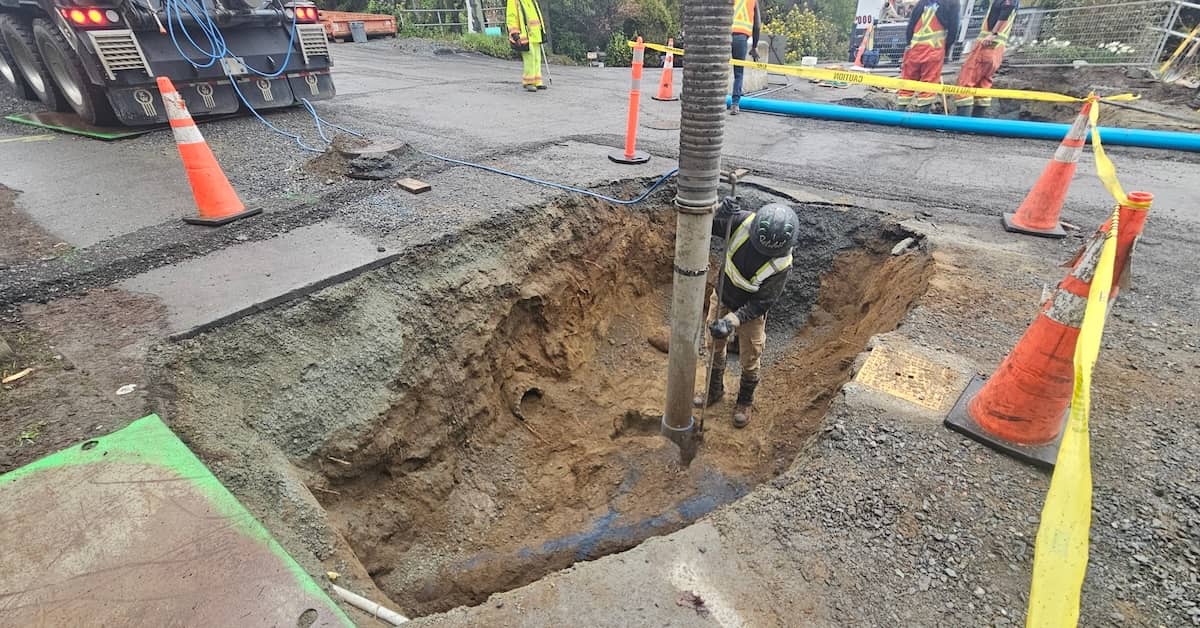
Hydro excavation is a precise, non-destructive way to dig that keeps utility lines safe and reduces damage to the surrounding soil. But that same level of care needs to carry through to backfilling. It’s not just about refilling the hole; you’ve got to make sure the site stays stable and balanced.
At Superior Hydrovac, our crews know how to choose the right backfill materials based on how the excavation was done and what the site calls for. Whether you’re working on a city utility line, a commercial build, or a large industrial trench, we’ll help make sure your backfill is done efficiently, safely, and to code.
We can also handle the removal of unsuitable soil and bring in clean, tested fill from trusted sources. Our team knows what to look for when it comes to poor soil conditions and will make sure your backfill holds up over time and meets your project’s requirements.
Superior Hydrovac – the Backfilling Experts You Can Trust
No two job sites are the same, which is why there’s no one-size-fits-all backfill solution. The “best” material depends entirely on your project’s soil conditions, structural needs, drainage goals, and environmental factors.
At Superior Hydrovac, we take the time to get it right. Our team knows how much backfill impacts performance, safety, and long-term stability. From choosing the right material to placing it properly, we’re here to support your project from the ground up.
Contact Superior Hydrovac today online or at 844-271-5944 to learn how we can help with your next project.
More Articles For You
Contact Peak Today
Contact Superior Hydrovac today online or at 844-271-5944 to discuss your unique project needs. We are ready to deliver exceptional service whenever you need us. We look forward to surpassing your expectations.
Call Now!
